“I saw Kerry on a regular basis during my high school career, and her guidance has had a lasting impact on me. She truly understands the pressures teenagers and young adults face in today’s fast-paced world and always offered thoughtful yet practical support.
What sets Kerry apart is how genuinely she listens and cares. She’s one of the most authentic people I’ve ever met, and I’m deeply grateful for the support she gave me during my schooling career. I know she would put anyone’s best interests first in any situation you find yourself in”
"Talking to Ms Kerry never felt like I was in a formal therapy session. It was more like chatting to someone who really understood and actually cared. I didn’t feel judged or boxed in — it felt natural, and somehow, she made it easy to talk about stuff I usually avoid. Looking back now, those sessions honestly helped more than I realised at the time. I came away with more clarity and felt like I had someone at my corner at school, not just someone listening, not to brag but she is amazing"
"We sent our son to boarding school because he had become completely unmanageable at home. After trying numerous top psychologists over the years, we were beginning to lose /hope - until we met Kerry Jane. She was the only professional who truly connected with our son in a meaningful way. For the first time, he opened up and communicated with someone. He was transparent with her, receptive to her guidance, and genuinely listened to what she had to say - something we had never seen him do with anyone else.
Kerry Jane’s ability to understand and connect with young people is extraordinary. Her communication skills, deep empathy, and advanced psychological insight are far beyond what we experienced with other professionals (and we stopped counting at about 14 psychologists - top psychologists). She played a pivotal role in helping our son not only cope at boarding school but begin to thrive. Because of her, we were able to enjoy our son again - and as a family, we felt a huge shift.
She was also incredibly supportive of us as parents - always available, day or night, to discuss any concerns. Most importantly, we felt her genuine care every step of the way. Kerry Jane made an immense difference to our son’s life, and to ours."
"I am writing this letter in full support of my former therapist, Kerry, as she opens her private psychotherapy practise. I cannot overstate the impact she has had on my life - both during some of my darkest moments and in helping me become the person I am today.
Kerry supported me through a time when I was struggling with both physical injuries and emotional hardship. I was facing challenges most young people aren’t equipped to face alone, and she made sure I didn’t have to. She listened without judgment, spoke with compassion and strength, and held me accountable when I needed it most. She helped me carry weight I couldn’t carry on my own — and because of her, I got through it. Quite honestly, I believe she saved my life.
What makes her truly exceptional is not just her professionalism, but her heart. She treated every conversation with care, and every setback I faced with patience and wisdom. She understands pain and healing in a way that cannot be taught in a textbook - it comes from lived experience and a deep calling to serve others. If anyone is meant to open a psychotherapy practice, it is her.
I will always be grateful for what she did for me. It is my deepest hope that others in need will be lucky enough to be guided by her the way I was. I stand behind her with complete confidence and respect and I wouldn’t be where I am today without her. She is a true inspiration to me and the rest of the world."
"As a psychologist who’s collaborated with countless therapists, I can say without hesitation that Kerry-Jane Coleman is passionate, professional, and a therapist that I would send my own child to- She brings an unwavering ethical compass to every session, paired with a warm, fun-loving approach that instantly connects with adolescents. Kerry-Jane’s deep commitment to children’s rights and rigorous child-protection standards creates a safe space, while her specialized focus on adolescent mental health and authentic ability to relate to teens drive real breakthroughs. From meticulous forensic assessments and High Court parenting plans to seamless multidisciplinary care, she empowers every client to feel seen, supported, and understood."
Haley Asbury Clinical Psychologist
"When our family was facing a tough time supporting our neurodiverse son as he navigated school life, Kerry Jane was there — steadfast, compassionate, and reassuring. From the beginning, she told us, “I’ve got this,” and “I’ve got him,” and she truly did. Her guidance and support made all the difference — not just for our son, but for us as a family as we took time to figure out our next step. She listened without judgment, offered thoughtful insight, and helped us navigate challenges with empathy and care. Thanks to her support, our son is now happy, safe, and in the right place. We’re so grateful, and we’re confident that many others will benefit from her new practice just as we did."
"I am pleased to share my experience working with Kerry-Jane Coleman on the wellness program for high school boys. Kerry-Jane has consistently demonstrated professionalism, organization, and a deep dedication to the boys and her work. Our collaborative efforts have allowed us to implement effective strategies that positively impact the boys and the parents. Her commitment to enhancing their well-being, combined with the clinical approach, has resulted in meaningful improvements in their mental health and overall wellness. I wholeheartedly appreciate the synergy we've created in our work together."
"I am pleased to share my experience working with Kerry-Jane Coleman on the wellness program for high school boys. Kerry-Jane has consistently demonstrated professionalism, organization, and a deep dedication to the boys and her work. Our collaborative efforts have allowed us to implement effective strategies that positively impact the boys and the parents. Her commitment to enhancing their well-being, combined with the clinical approach, has resulted in meaningful improvements in their mental health and overall wellness. I wholeheartedly appreciate the synergy we've created in our work together."
Andrea Kellerman Educational Psychologist
"When we first referred our son to Kerry-Jane, we were concerned about his increasing anxiety and difficulty managing emotions, which was affecting his confidence and daily interactions. From the very first session, Kerry-Jane created a warm and welcoming environment that made our son feel comfortable and understood.
He often shared with us how the sessions helped him explore his feelings and develop new ways to cope with stress. Over time, we noticed significant improvements in his mood and behaviour—he became more resilient, better able to express himself, and more confident in social situations.
One memorable breakthrough was when he was able to identify and articulate his triggers for anxiety, something he struggled with before. This insight has been invaluable for both him and our family in supporting his well-being.
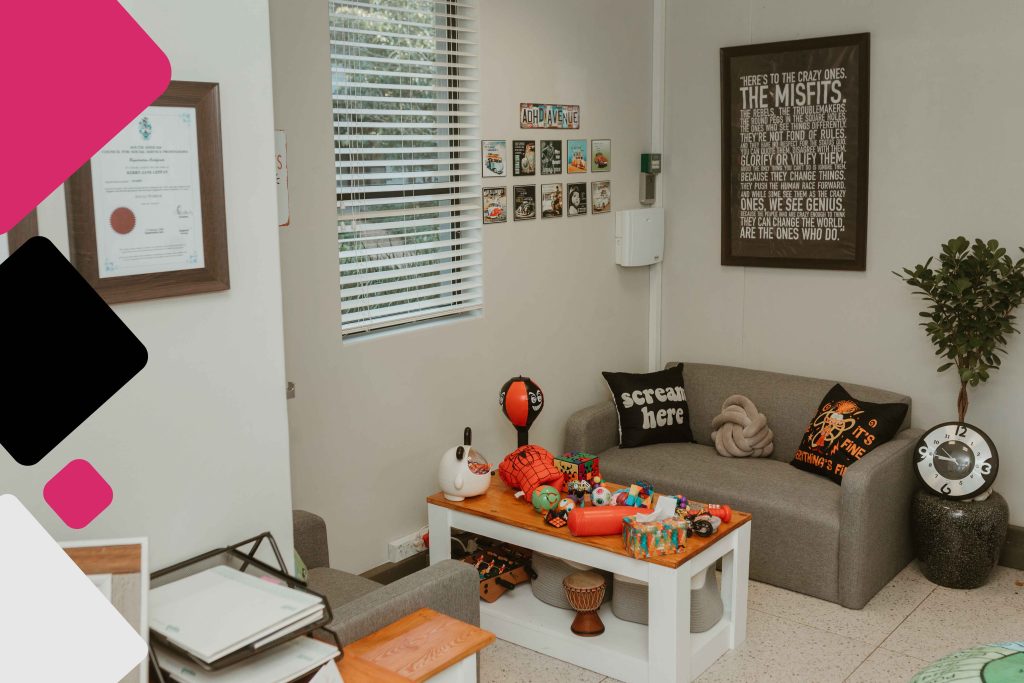
Kerry-Jane’s professionalism stood out throughout - she was always responsive, empathetic, and organised, making the whole process smooth and reassuring. His appointments were easy, and her office had a calm, inviting atmosphere that helped put our son at ease.
Overall, therapy with Kerry-Jane has had a profoundly positive impact on our family’s daily life, giving us tools and understanding to support our son’s growth. We are so grateful for her dedication and care."
"During my time at school, I had the opportunity to have sessions with Kerry on numerous occasions. She was always accommodating and helpful when scheduling a session with her and really made an effort to ensure every single student had a chance to speak with her when they could.
From day 1 I always felt that her office was a safe space and a place where I could forget everything else going on in my life and just be able to speak my mind. Her supportive presence and genuine care was always deeply felt and I am extremely grateful and appreciative of her incredible kindness that she has shown me over the years.
She wanted nothing but the best for her students and was always quick to find solutions or provide advice to any problems that I told her about. From the very first minute I met with her I knew that I could come to her for anything at all, whether it be relating to academics, sport, issues within the boarding house or even problems at home.
Her support throughout my time at school played a huge role in helping me complete my high-school journey and for that I am forever grateful
It’s hard to put into words what therapy has meant to me, but as someone who’s come out the other side okay, I’d describe it as one of—if not the most—impactful and beneficial experiences I’ve ever had for my mental health.
As a teenage boy going through a lot, I deeply understand the stigma around asking for help. Male mental health still isn’t talked about nearly enough. But I can say, without any doubt, that therapy made a real difference in my life.
I feel incredibly grateful and fortunate to have had Kerry during that time. She was professional, uplifting, and gave me genuine insight into how to deal with what I was going through. Every time I left her office, I felt like something inside me had shifted in a more positive direction.
Working with Kerry throughout my high school journey was one of the best decisions that I have made, from helping me deal with personal issues to helping me with my sport and exam study pressure -she really can do it all. She created an environment that is not only welcoming but makes you feel comfortable and safe but also makes you want to open yourself up to her. I saw myself grow exponentially as a person over the 5 years that we were together
She truly has the ability to make it a time that you will end up looking forward to during the week, and I couldn’t recommend anyone else.
I have had the privilege of working with Kerry Jane and witnessing first-hand her unwavering passion for children’s rights. Her deep commitment to protecting children—particularly those in vulnerable situations—is evident in every aspect of her work. With the strong foundation in psychotherapy, Kerry Jane has consistently applied her expertise to community initiatives, school-based interventions, and strategic stakeholder engagements.
I first managed Kerry Jane over a decade ago when she served as a research coordinator at RAPCAN under my leadership. Even now, she continues to engage with me as the Inaugural Children’s Commissioner for the Western Cape, regularly initiating thoughtful discussions on law and policy—always with the best interests of children at heart.
Kerry Jane is not only a dedicated professional but a true champion for children’s rights. I hold her in the highest regard."
Christina Nomdo-Western Cape Commissioner on Children
"Knowing and working with Kerry over the past few years has been a privilege. She has been a font of wisdom and experience regarding the broad mental health needs of adolescents, especially boys.
Kerry helped to introduce me to the wider community of mental health providers in the Hillcrest area. She helped me gain experience in working with learners. Kerry is a thorough and capable professional, providing excellent services to all she assists. I am happy and excited for Kerry as she starts this new chapter in her career and life. She will continue to benefit many more people. I highly recommend her services! (Rethabile Oliphant - Counselling Psychologist)
Kerry-Jane is a committed and compassionate advocate of children’s rights. She has advanced her advocacy latterly by forging strong connections through her counselling of adolescent boys and has navigated sensitive issues such as addiction, sexuality, anxiety, depression and identity. She is professional and discreet in her dealings with those who seek her advice and assistance. She works tirelessly until a solution to a crisis can be found."
Adam Rogers (Executive Head: Oakhill School, Knysna and former Executive Head: Reddam House Umhlanga
"My child’s sessions with Kerry were such a positive and valued time. Kerry was fantastic with helping them navigate the complex high school years, bringing clarity, helping to put things in perspective and bringing positive affirmation in who they are. Her communication with me as a parent was very clear and she encouraged our child to communicate and be open with us too so we could walk along our child in their journey. We really are thankful for Kerry’s practical and encouraging advice and appreciate her willingness to always be available.
Kerry played a large roll in my high school career, she helped me greatly to manage my stress throughout my time at school. She was very unique in comparison to any other staff member I have interacted with and creates a very strong sense of comfort that I didn’t know existed in a schooling environment.
Amongst all my peers at school it was no secret that people would see Kerry for therapy. While some people think talking to a therapist is embarrassing and pointless which I did too, unwillingly seeing a few in my past, going to see Kerry was never something to feel embarrassed about. She built incredible trust with us and has also helped many of my peers through tough times. She is always there to help and even when help was needed late into the night you could always count on her to be there.
I cannot recommend a person in her field more, she is truly amazing!"
"Working with Kerry was truly life changing. Her calm and compassionate presence created a space where I felt completely safe, respected, and at ease. She has a remarkable ability to make you feel understood and supported, which made it possible for me to explore and address difficult issues with clarity and confidence. Her professionalism and empathy make her an outstanding therapist, and I am deeply grateful for the guidance she provided me at a pivotal moment in my life."
"I recommend Kerry-Jane Coleman, a dedicated and compassionate counsellor with 13 years of experience of service to boys and their families.
Over the years she has developed strong trusting relationships with her clients helping them navigate complex personal challenges. She has an understanding of the unique needs of adolescent boys, especially those with difficulties in attention and impulsively. Whether addressing emotional regulation, school related stress or behavioural challenges, she provides thoughtful guidance that empowers growth and positive change. I have no doubt that her new counselling practice will offer a trusted resource in the community."
Sandy Candotti Educational Psychologist
"Kerry provided counselling for me when I was in grade 11 . I was struggling with school and social pressure which resulted in reckless choices. I felt comfortable talking to her as she understands boys . She helped put things in perspective for me. She encouraged me to get active again and to make healthier choices.
When I first started seeing Kerry, I didn't think it was possible for a woman to relate to a teenage boy like me. But she totally proved me wrong. Kerry loves the outdoors, doing extreme sports, and competing at a high level in sports. She was a Springbok athlete at a young age, just like me. She understands BMT and how horrible it is – something nobody else seemed to get. She got my parents to understand me and support me during my bad days. Kerry's therapy sessions were the best."
"Kerry provided counselling for me when I was in grade 11 . I was struggling with school and social pressure which resulted in reckless choices. I felt comfortable talking to her as she understands boys . She helped put things in perspective for me. She encouraged me to get active again and to make healthier choices.
When I first started seeing Kerry, I didn't think it was possible for a woman to relate to a teenage boy like me. But she totally proved me wrong. Kerry loves the outdoors, doing extreme sports, and competing at a high level in sports. She was a Springbok athlete at a young age, just like me. She understands BMT and how horrible it is – something nobody else seemed to get. She got my parents to understand me and support me during my bad days. Kerry's therapy sessions were the best."
"In her role as the school psychotherapist at my son’s boarding school, Kerry has had a profoundly positive impact on his experience from the very beginning. Her natural ability to connect with the boys, share in their interests, and provide thoughtful guidance through day-to-day challenges has been deeply appreciated.
During my son’s Grade 8 and 9 years, he endured the tragic loss of close family friends. Being away at boarding school during such emotional times was incredibly difficult, but Kerry’s support made all the difference. I was able to reach out to her directly, and through her therapy sessions, she offered my son the care and guidance he needed to navigate his grief—something for which our family remains extremely grateful.
Throughout his time at school, my son has faced a number of challenges, both academically and in sports. In each instance, he turned to Kerry without hesitation. Whether he was seeking advice, solutions, or simply someone to talk to, she was always there offering her time, wisdom, and support.
Kerry’s loyalty to her patients is unwavering. They know that with her, they have a safe, non-judgmental space—one that fosters trust, honesty, and open communication. It’s this environment she creates that allows them to truly feel seen and heard.
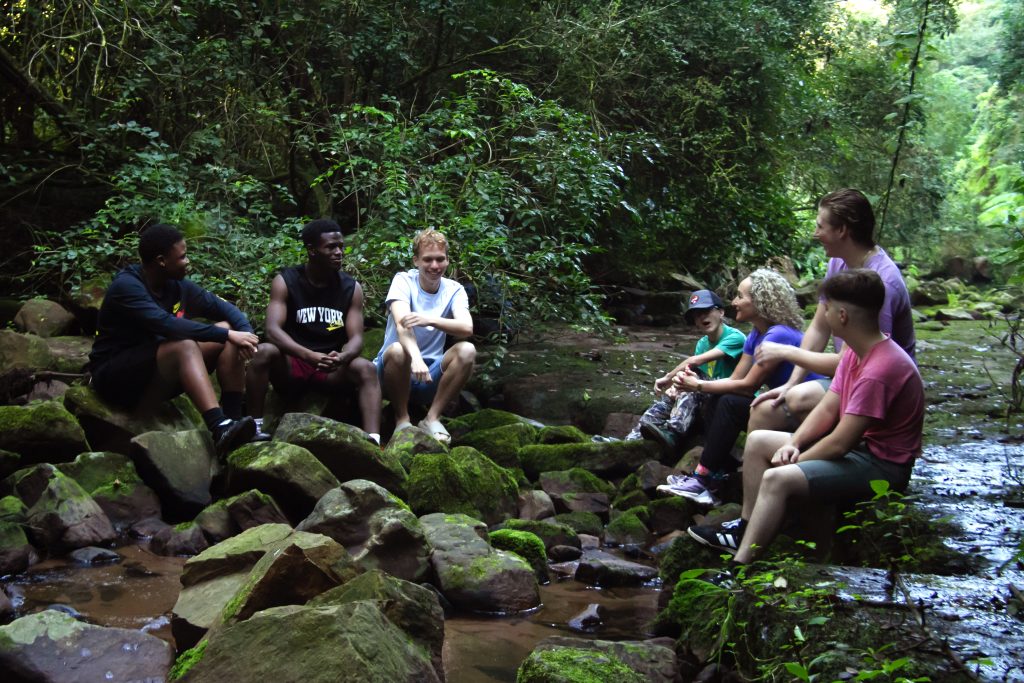
Beyond the counselling room, Kerry has also brought energy and fun into the boys’ lives. Whether organizing paintball games, padel matches, trail runs, or surprise takeaway treats, she consistently found ways to connect with the boys in meaningful, enjoyable ways that they genuinely looked forward to. From a parent's perspective, I have always felt comfortable reaching out to Kerry with any concerns or questions I have. She is always more than willing to assist no request was ever too big, too small, or not within her ‘role’.
Kerry has played a vital role in shaping a positive, balanced, and supportive environment for my son and many others. We are truly grateful for the difference she has made in his life and ours."
"Kerry-Jane is a true professional and it’s always a privilege working with her! Teaming together on several research projects on counselling and youth wellness was a game-changer! She’s ethical, went above and beyond what was required, and her contributions were invaluable and contributed to the success of the projects. Her expertise and positive energy make a real difference during our peer-supervision and case discussions! She’s one of the best counsellors in South Africa and a rare gem who specializes in boys’ mental health!"
Dr. Ajwang' Warria, Registered Social Worker & Associate Professor, University of Calgary, Canada
"Kerry-Jane is a phenomenal therapist. Over the past 13 years that I’ve known her, I have repeatedly seen her ‘get through to’ even the toughest and most resistant adolescents. Kerry-Jane has an open, no nonsense approach to therapy that gets results. Her level of respect for her clients and what is in their best interests is such that she’ll have the tough conversations that other therapists shy away from. Outside of the therapy room, Kerry-Jane is a relentless advocate for the rights of all people, but most especially her clients. She is a therapist in a million and her approach is an undeniably successful one : compassionate yet firm when needed, completely free of any judgement while maintaining the highest ethical standards in the profession."
Jo Ostendorf - School principal and education consultant
"Kerry was honestly the best thing that happened to our family when our son needed someone he could open up to and trust.
My sons educational psychologist suggested he go see Kerry as he was struggling with various aspects of boarding school and we have never looked back.
They immediately bonded through their passion and love of Motorbiking and this led to a connection that my son will forever treasure. Kerry became his security blanket and he knew that if at any time, he needed her, she would be there.
She spoke his language, understood his frustrations better than anyone.
He lost an aunty and this affected him more than we could understand. He started to question life. We cannot actually explain how grateful we are to Kerry for navigating him through this period. She was there for him when he needed her most.
We believe that our son would not have stayed at boarding school for as long as he did if it wasn’t for the therapy sessions that’s she created in a school environment that he was not completely comfortable in.
We found Kerry to be honest with integrity and always put our sons needs first. Not telling us what we wanted to hear but rather the real truth. Kerry was not only there for our son but for us to. She really helped us understand how he was thinking and together we were able to see him become more confident and grow into the person he is today.
My son is finished school and thriving and would not have been so independent if he hadn’t have had the support and belief in himself that he could do anything he put his mind to and that he was born to fly in the big wide world. We thank Kerry for helping us to instil these characteristics in him.I can say with honesty that if our son were ever to go back to that town, she would be the first person he would look up.
Kerry, we thank you from the bottom of our hearts for the part you took in caring and teaching our boy the skills to cope when things aren’t going well.The children you work with are so blessed to have you in their lives."
"I had the privilege of being one of Kerry’s patients during a very interesting period of my life. She helped me navigate through it and was excellent at making the sessions comfortable, which allowed me to express my vulnerability—an impressive feat! The sessions were personal, yet she remained incredibly professional and compassionate. It was truly a delight to be one of her patients."
"I came to Kerry at a time when I was deeply uncertain—about my future, my career, and even the idea of seeing a psychologist. To be honest, I was extremely reluctant at first. But from the very beginning, Kerry approached our conversations with compassion, insight, and patience that broke through my scepticism.
She helped me see clarity where I only saw confusion and offered practical, evidence-based guidance that played a crucial role in shaping my career direction. Her support wasn’t just professional—it was personal. She helped me navigate a time in my life that could have easily derailed me, and I’m genuinely grateful.
Kerry has a rare gift: she meets you exactly where you are and helps you move forward with confidence. I can’t recommend her enough."
"As a former patient of Kerry, I’ve always found her to be energetic and uplifting. She has helped me to always face my challenges head on and has always provided a safe space when needed. She has enabled me to develop my self-confidence and always gives us such good advice while she has helped guide us though our difficulties"
"My sessions with Kerry during high school played a big role in helping me navigate some of the most chaotic years of my life! She created a space where I genuinely felt heard and supported. Her guidance helped me cope better and grow in confidence as I matured. Kerry is a really warm person and so easy to talk to. Looking back, I’m truly grateful for the impact she had on my journey"
"I would like to congratulate Kerry Coleman on this amazing milestone in her career.... the opening of her very own private practice.
I have had the singular privilege of working with Kerry within the context of a College for the past 13 years.
Kerry's compassion, dedication, commitment and care for the boys she worked with often led her to spend many afterhours consulting with me to best intervene and facilitate healing and reduce stress. She frequently went over and above 'her calling of duty' working tirelessly in the boys best interest......with amazing results.
She fearlessly championed the cause of each boy with an individualistic, tailored approach to meet needs.
Kerry is an excellent team player with innovative ideas and a high level of psychological insight into human behaviour."
Dr Sharon Enoch Educational Psychologist
"We sought therapy with Kerry for our son, after he had had a breakdown, when he was struggling with anxiety and low self-confidence. From the very first session, she created a space where he felt safe, understood and empowered to open up.
Over time, he has developed real tools to manage his emotions, communicate more clearly and navigate everyday challenges with confidence. The transformation has been incredible—not only in his behaviour and mood, but in how our entire family communicates and connects.
Kerry’s empathy, professionalism and responsiveness have been exceptional. Booking sessions was always smooth and the environment was warm and accessible.
We are so grateful for the support and care we've received from Kerry. The impact has been truly life-changing for our son and for us as a family."
"I have known Kerry since the beginning of 2020. I had a very tough start to high school and struggled a lot. I got in trouble consistently throughout my first 3 years and was not enjoying my high school experience. That was until Kerry picked up on this and realized that i actually could do well in school and had a lot of potential. Many other teachers didn’t see this and didn’t bother trying. I had many sessions with Kerry which made an instant change. It was assuring knowing that someone actually backed and believed in you. Her unique and different therapy styles pinpointed the issues i was facing which allowed us to work on fixing them. One of the issues was my ADHD which made me impulsive, and I had no focus. She recommended I see a doctor to get put on medication which exponentially added to my success. I felt very comfortable around Kerry and I felt that I could talk about my problems. I went from a low 60s student to getting academic colours and ending on a 79% average in matric. This wouldn’t have been achievable without Kerry’s help. It truly made a tremendous impact on my life and has played a big part in my success."
"Through Kerrys non judgmental guidance she helped me through getting over an addiction and the forces that drove it. Through our session I gained self awareness of the effects of my behaviour on myself and others, whilst providing helpful solutions to overcome it. I'll be forever grateful for the help and support she gave me when it seemed everyone else was out to get me. Her care and dedication to me made me feel safe and secure with who I am."
"Living with a mental illness can be one of the hardest things. Before I understood what was happening in my brain, I was angry all the time and wanted to fight with my parents and everyone at school. I was at my third school when I started seeing Kerry. Once I was diagnosed with conduct disorder, things started to make sense. Although I still feel angry and struggle at times, I use the techniques that Kerry taught me, and they really help. I'm about to finish matric, and I don't think I would still be at school if it hadn't been for Kerry.
Kerry's therapy is honest, real, and direct. While she is very different from other therapists, I think if more were like her, it would be a better profession."
"Kerry is an incredible therapist. I feel like the big thing with therapy is to be able to understand the other persons point of view and what they are experiencing. Kerry does a fantastic job at truly understanding where you are coming from. I was so grateful that she actually understood where I was coming from. She fought hard for me and tried to help me achieve what I was setting out to do at home and at school. Beyond that Kerry , unlike most others, is actually qualified to give life advice. What I mean by that is that she actually has some life experience, not just a piece of paper. She does not just repeat what she has read in some book, but she can advise you based on a trove of her own life experiences which makes the advice so much more valuable and real because it is coming from a place of genuine compassion and wisdom.
Working through my personal challenges with Kerry gave me the space for vital introspection and responsive feedback. She is a level-headed, mature professional who guided me through some of my most difficult moments with calm clarity and genuine care. May God bless her."
"My child’s sessions with Kerry were such a positive and valued time. Kerry was fantastic with helping them navigate the complex high school years, bringing clarity, helping to put things in perspective and bringing positive affirmation in who they are. Her communication with me as a parent was very clear and she encouraged our child to communicate and be open with us too so we could walk along our child in their journey. We really are thankful for Kerry’s practical and encouraging advice and appreciate her willingness to always be available"
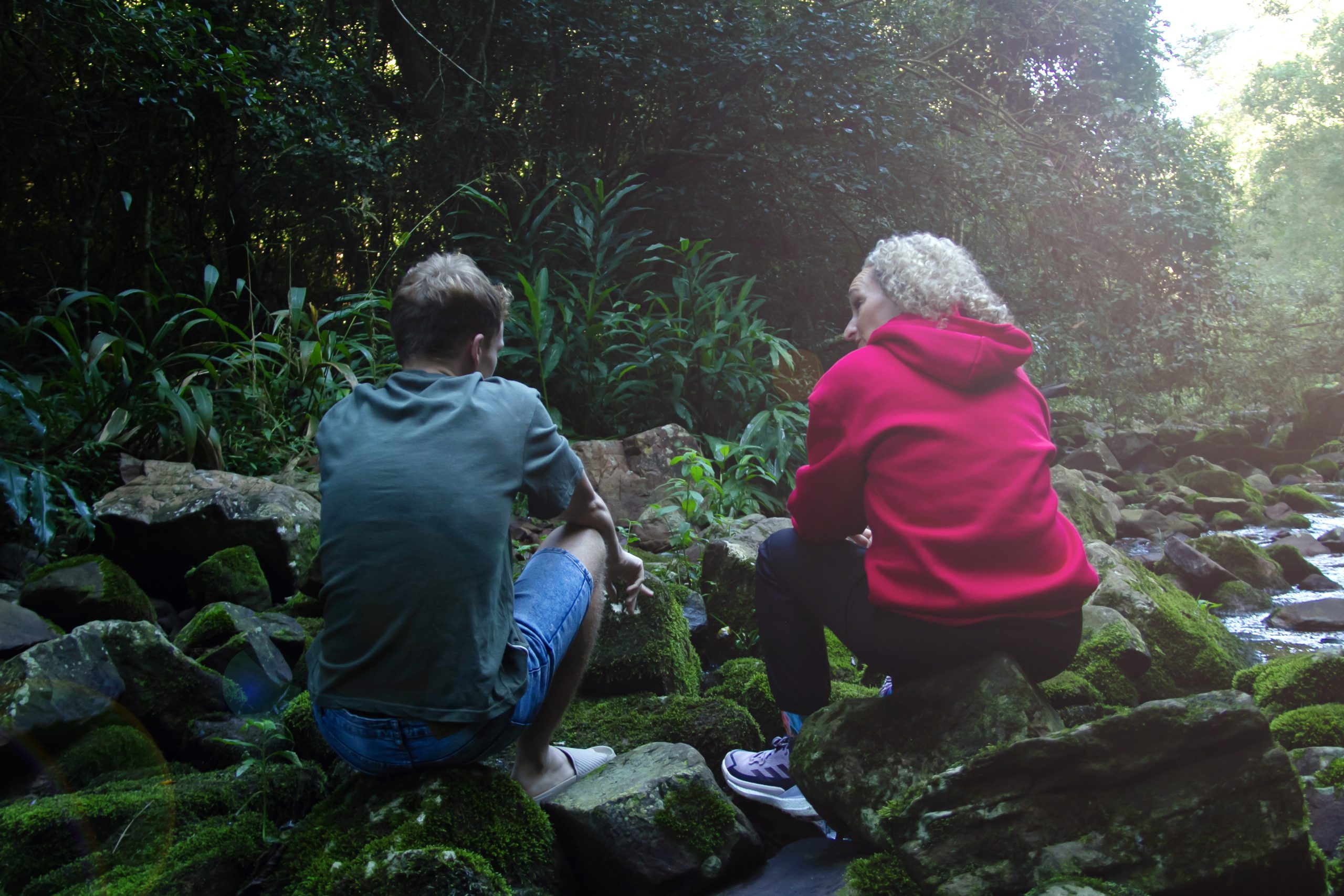
"How do I explain my sessions with Kerry? She totally changed my life. I was so mad at my parents for making me see the fourth therapist that I refused to say anything during the first appointment. I just played with the punch bag. But Kerry was different from other therapists. She listened and understood what I was saying without judging me for the things I had done. I started looking forward to the sessions. It was my space where I could let my guard down. She understood me and encouraged me to try things outside my comfort zone, which was great. I couldn't believe the results. I also went on an outdoor wilderness camp with her, and although it was tough, it was an amazing experience."
"My child has Asperger's and has always struggled to connect with others. It was heartbreaking to see him isolated and unable to make friends at school. But since starting therapy with Kerry, there's been a remarkable change. Kerry is genuine, sincere, direct and she gives so much of herself , which has made a huge difference. She has helped my child improve his social skills and work on gaining insight into his own behaviour. Kerry's therapy sessions have been a safe space for my son to express himself and learn how to interact with others- I am so happy that she will be in private practise and be available to carry on seeing my son."
"As parent of a neurodivergent child, I have found parenting to be an uphill battle. My son has been labelled from a young age as disruptive and naughty, and only through seeing Kerry did we get the support we needed. Kerry has helped with psychoeducation therapy for my son, but more importantly, she has helped us as parents cope with our son's challenges and work on parenting a neurodivergent child. Her approach is stern and no-nonsense, yet loving, kind, and warm, making a huge difference in our lives. I am beyond grateful for the support she has given us as a family and for the therapy she continues with our son."
"When I first started seeing Kerry, I didn't think it was possible for a woman to relate to a teenage boy like me. But she totally proved me wrong. Kerry loves the outdoors, doing extreme sports, and competing at a high level in sports. She was a Springbok athlete at a young age, just like me. She understands BMT and how horrible it is – something nobody else seemed to get. She got my parents to understand me and my passion. Kerry's therapy sessions have been a game-changer for me."
"Kerry-Jane is a highly dedicated and skilled therapist with a deep commitment to promoting both mental and physical wellbeing. Over the 13 years I’ve known and interacted with her, she has passionately guided even the most hesitant adolescents toward greater emotional balance and healthier lifestyles, always giving everything she has to support their journey.
Her approach bridges mind and body, skilfully integrating talk therapy with evidence-based, practical wellness tools—such as mindfulness exercises, gentle movement techniques, and stress-management strategies—to foster holistic health. Her enthusiasm is contagious, inspiring clients to take ownership of their mental and physical self-care.
What distinguishes Kerry-Jane is her ability to blend direct, honest communication with genuine empathy. She is unafraid to address difficult topics with sensitivity and professionalism. Furthermore, her advocacy extends beyond the therapy room—she is a tireless champion for her clients, consistently acting in their best interests with compassion and clinical integrity."
"I have known Kerry-Jane Coleman in a professional capacity for over 15 years- if not longer as we have worked on cases together. I can certainly vouch for her dedication to her patients. She has always been known to go the extra mile, she is a clinically competent and a thorough clinical therapist who has always comes through for her patients and their families."
Dr S Pillay, Specialist Psychiatrist