
Primary Clients
Supporting Young Males on Their Journey
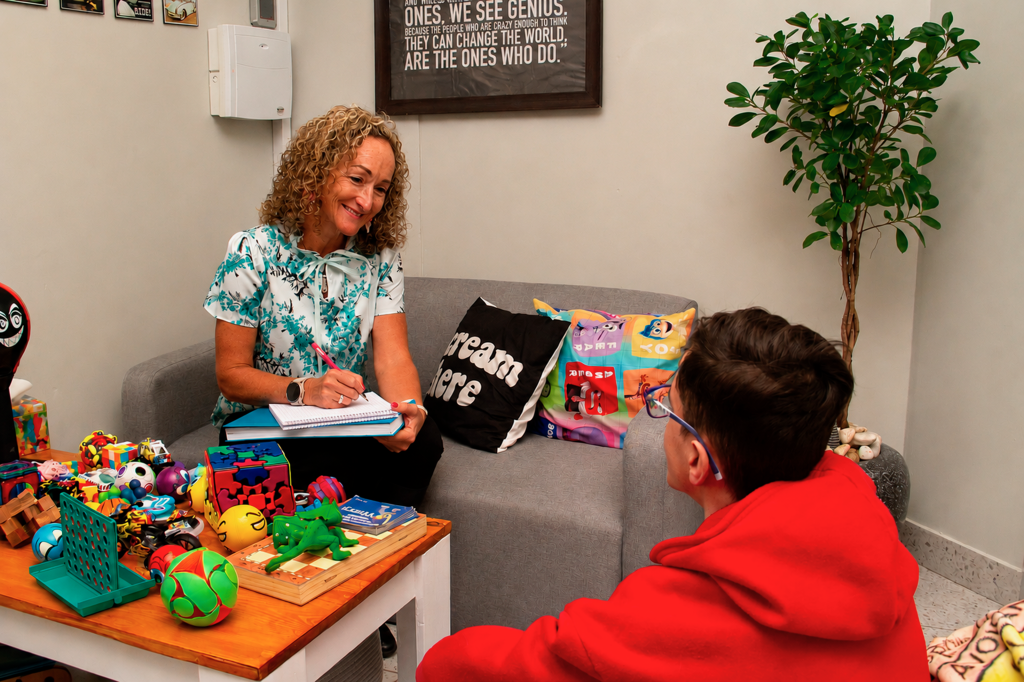
In her practice, Kerry‑Jane works one‑on‑one with young males, placing each individual’s goals, strengths, and lived experience at the centre of therapy. With genuine warmth and clinical expertise, she creates a safe, non‑judgmental space where young males build resilience, emotional insight, and self‑confidence.
Recognising the essential role of family, she collaborates with parents or guardians as supportive partners—offering practical, evidence‑informed strategies that reinforce growth and stability at home. Whether a young male is navigating academic pressure, sports‑related stress, mental‑health challenges, peer dynamics, self‑esteem concerns, or significant life transitions, Kerry‑Jane tailors a patient‑centred therapeutic process that honours his unique story and developmental needs.
Parents and caregivers often notice early shifts long before a young male can articulate his own distress. Warning signs may be subtle or varied, and it is common for young males to be unaware of how overwhelmed they are until a caring adult reflects these changes back to them. Recognising these early indicators allows for timely, compassionate intervention that supports healthier coping and emotional wellbeing.
Emotional and Psychological Indicators:
- Ongoing worry, panic, or stress that feels difficult to manage and begins affecting daily life
- Noticeable changes in mood, prolonged sadness, or emotional highs and lows that impact functioning
- Lingering trauma, grief, self-harm urges, or thoughts of suicide
- Experiences of confusion, unusual perceptions, or beliefs that feel out of touch with reality and may signal emerging psychosis
Behavioural and Social Indicators:
- Acting‑out behaviours, rigid routines, or emerging obsessive–compulsive patterns
- Defiance, school refusal, theft, or property damage
- Peer conflict, relational difficulties, social withdrawal, or increasing isolation
- Substance use or other compulsive or addictive behaviours
Physical, Academic, and Daily Functioning Indicators:
- Difficulty concentrating, increased restlessness, or emerging attention‑related concerns
- Changes in school performance, reduced engagement in studies, or challenges managing work or vocational responsibilities
- Frequent headaches, low energy, or other ongoing physical complaints
- Noticeable shifts in sleep routines, appetite, or overall daily functioning
If your son has been struggling with any of those signs or has been diagnosed with the following - but not limited to:
- Mood disorders (Depression, Bipolar)
- Anxiety and panic disorders
- Porn addiction
- Adjustment disorders related to major life changes
- Attention-deficit/hyperactivity disorder (ADHD)
- Trauma
- Complicated grief and bereavement
- Disruptive behaviour disorders (e.g. Oppositional Defiant Disorder)
- Obsessive-Compulsive Disorder (OCD)
- Personality disorders